Introduction
Choosing the best a/c system for your home is a critical decision that can significantly impact your comfort and energy performance. With countless alternatives offered out there, it can be frustrating to navigate through the various factors that need to be taken into consideration. This article intends to assist you through the procedure of choosing the excellent HVAC system for your home, ensuring that you make an educated decision that satisfies your particular needs.
Factors to Consider When Selecting an A/c System
Budget: Finding an Equilibrium Between Price and Quality
When it pertains to selecting a cooling and heating system, budget plays a crucial duty. It's necessary to strike an equilibrium in between expense and quality. While investing in a premium system might seem costly at first, it can conserve you cash in the future by providing greater power effectiveness and durability.
Size Matters: Determining Appropriate Heating and Cooling Load
Determining the ideal size of your a/c system is crucial for optimum efficiency. A small system will struggle to satisfy your home heating and cooling demands, leading to inadequate convenience levels. On the other hand, an oversized system will certainly result in regular biking on and off, triggering unneeded deterioration on parts. Consulting with an expert cooling and heating contractor can aid you accurately compute the heating and cooling down load demands for your home.

Energy Efficiency: Decreasing Energy Expenses and Ecological Impact
Energy efficiency should be a leading priority when picking a heating and cooling system. Seek systems with high Seasonal Power Efficiency Proportion (SEER) ratings for a/c unit or Yearly Fuel Usage Effectiveness (AFUE) ratings for furnaces. These rankings show how efficiently the devices makes use of energy. Choosing energy-efficient systems not just reduces your energy costs but additionally decreases your environmental footprint.
Types of Solutions: Discovering Your Options
There are different types of HVAC systems available, each with its very own set of advantages and disadvantages. Some usual options consist of:
1. Central Air Systems
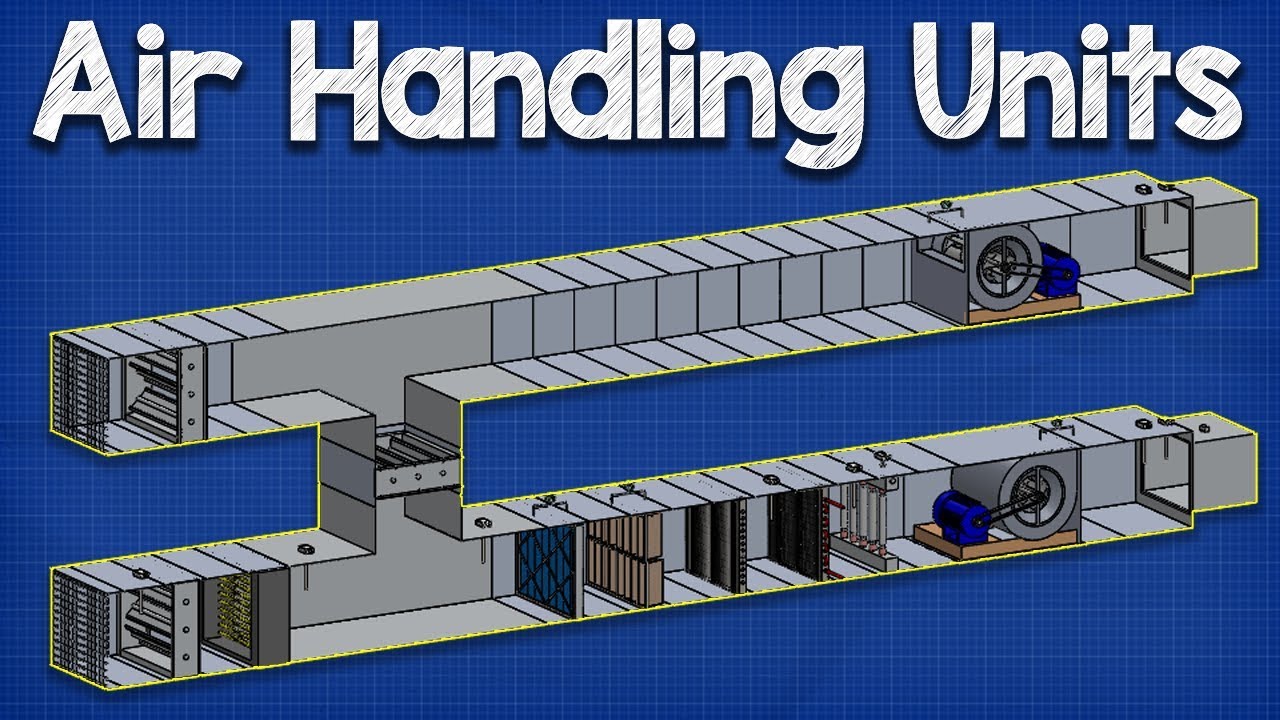
Central a/c systems distribute cooled down air throughout your home by means of a network of air ducts. They function well for larger homes and offer consistent cooling throughout the whole space.
2. Ductless Mini-Split Systems
Ductless mini-split systems are an excellent choice to typical ducted systems. They consist of an outside unit and one or more interior devices, enabling you to regulate the temperature in specific areas or zones.
3. Warm Pumps
Heat pumps offer both heating and cooling down functions, making them versatile options for year-round comfort. They move warm from one area to another, depending upon the wanted temperature.
HVAC Solutions: Choosing a Dependable Contractor
Selecting a trusted HVAC specialist is essential to ensure correct installment and maintenance of your system. Look for professionals who are licensed, guaranteed, and have an excellent reputation in the sector. They must also provide extensive heating and cooling services such https://knoxuhdv135.raidersfanteamshop.com/the-web-link-in-between-cooling-and-heating-upkeep-and-allergies-producing-a-healthy-home as cooling repair service, heating repair, HVAC installation, heater repair service, a/c upkeep, home heating and cooling down options, emergency situation heating and cooling solution, heating and cooling upkeep, and air duct cleaning.
Warranty: Safeguarding Your Investment
A service warranty is a crucial aspect to think about when purchasing a heating and cooling system. It supplies assurance by securing your financial investment versus any type of possible issues or problems that may arise. Ensure that you comprehend the terms of the warranty prior to making a final decision.
Frequently Asked Questions (Frequently Asked Questions)
Q: What elements determine the size of the cooling and heating system I require? A: The size of your home, insulation levels, number of windows and doors, neighborhood climate, and occupancy are some factors that influence the dimension demands of your heating and cooling system.
Q: Exactly how commonly should I arrange cooling and heating upkeep? A: It is recommended to arrange bi-annual HVAC maintenance-- once in springtime before summer season and as soon as in loss prior to winter season-- to make sure ideal performance and stop possible issues.
Q: Can I install an a/c system myself? A: heating and cooling system setup needs specialized knowledge and skills. It is best to work with a specialist cooling and heating service provider that can make sure correct installment and prevent any possible security hazards.
Q: What are the signs that my heating and cooling system requires repair work? A: Uncommon noises, inconsistent temperatures, enhanced power bills, and regular malfunctions are some typical indications that suggest your HVAC system may require repair.

Q: Exactly how can I boost the power performance of my existing HVAC system? A: Regularly replacing air filters, securing air leakages, setting thermostats, and organizing professional maintenance can dramatically boost the power effectiveness of your cooling and heating system.
Q: Should I think about zoning my a/c system? A: Zoning permits you to regulate the temperature level in various areas or areas of your home separately. It can lead to increased convenience and power cost savings by just heating or cooling busy spaces.
Conclusion
Choosing the right a/c system for your home entails cautious factor to consider of numerous aspects such as spending plan, size demands, energy effectiveness, kinds of systems offered, trustworthy contractors, and guarantee alternatives. By adhering to these standards and consulting with specialists in the field, you can guarantee that you make an educated choice that gives optimal comfort and effectiveness for your home. Remember to prioritize routine upkeep and deal with any kind of repair work quickly to lengthen the life expectancy of your cooling and heating system.